
BIOMEDIX
Systems Trading Corporation
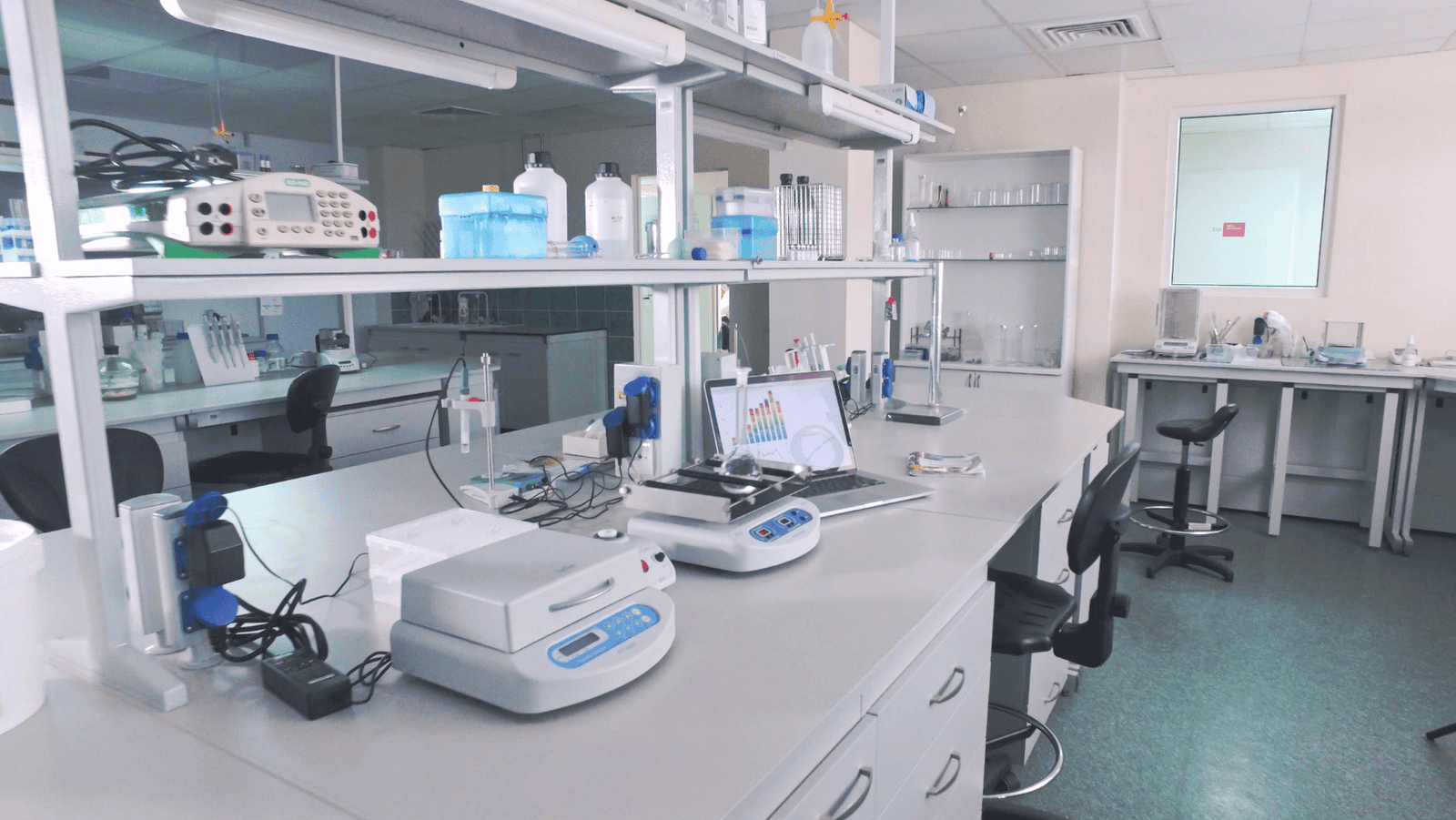
In today's healthcare environment, speed and accuracy are equally important. Physicians rely on timely laboratory results to diagnose diseases, monitor treatment, and make critical clinical decisions. Even a short delay can affect patient care, especially in emergency medicine, infectious disease management, and chronic disease monitoring.
This is why laboratory automation has become a strategic investment for diagnostic laboratories worldwide. By reducing manual processes and streamlining workflows, automation significantly improves lab turnaround time while maintaining consistent quality and accuracy.
In this guide, we'll explore the benefits of laboratory automation, how it accelerates laboratory operations, and what laboratory owners should consider before investing in automated solutions.
Is your laboratory ready for automation? Discover laboratory solutions designed to improve workflow efficiency.
Laboratory automation refers to the use of instruments, robotics, software, and integrated systems to perform laboratory processes with minimal manual intervention.
Automation can be applied across nearly every stage of laboratory testing, including:
Modern clinical laboratories often combine automated analyzers with Laboratory Information Systems (LIS), creating a seamless workflow from sample receipt to result release.
According to the World Health Organization (WHO), laboratory services are fundamental to effective healthcare systems, supporting disease diagnosis, surveillance, and treatment decisions.
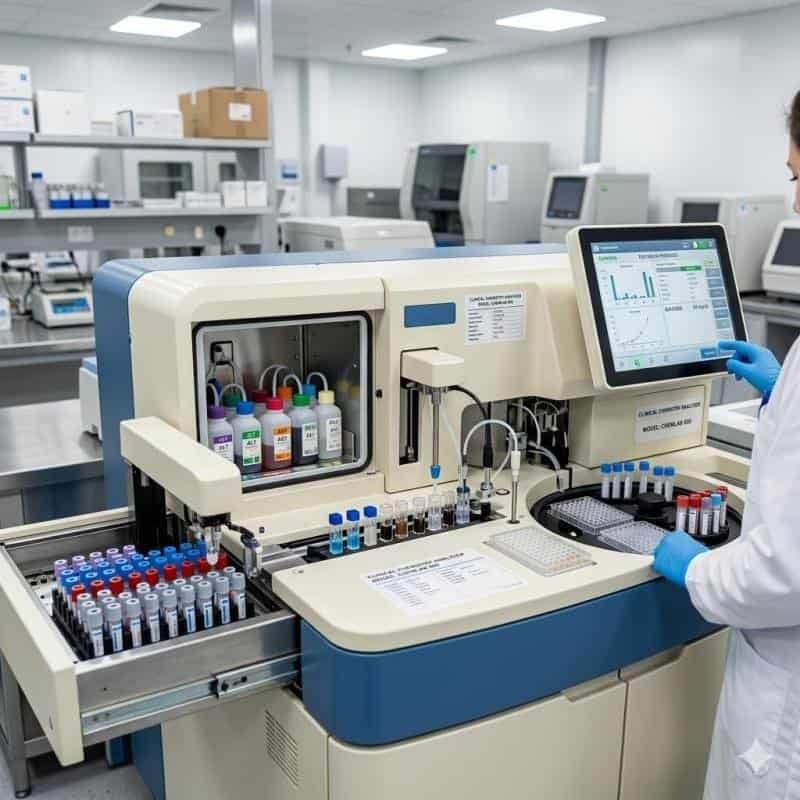
Lab turnaround time (TAT) measures the period between receiving a patient specimen and releasing the final laboratory report.
Shorter turnaround times lead to:
Conversely, delays can result in:
Studies have shown that improving laboratory turnaround time directly contributes to more efficient patient management, particularly in emergency departments.
Source: College of American Pathologists (CAP)
https://www.cap.org
Manual specimen handling requires multiple repetitive steps.
Automation performs these processes almost instantly:
Because these steps occur automatically, laboratories process significantly more samples per hour.
For high-volume laboratories, this translates into shorter reporting times throughout the day.
Human error remains one of the leading causes of laboratory delays.
Examples include:
Automated systems standardize procedures, reducing variability between operators.
This means:
Ultimately, fewer errors help improve lab turnaround time while increasing confidence in laboratory results.
Unlike manual processes that pause during staff breaks or shift changes, automated analyzers operate continuously.
Many modern analyzers offer:
These capabilities allow laboratories to process urgent specimens without interrupting routine testing.
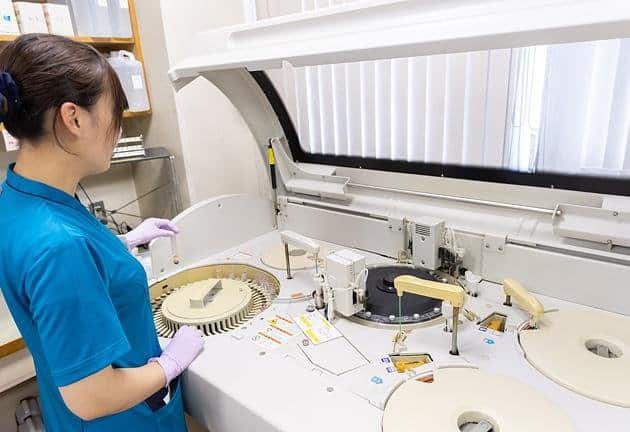
Laboratory automation extends beyond sample analysis.
Integrated software automatically:
Removing manual data entry reduces clerical work while minimizing transcription errors.
It also allows physicians to receive results sooner.
Automation doesn't replace laboratory professionals; it enables them to focus on higher-value tasks.
Instead of repetitive manual work, medical technologists can dedicate more time to:
This improves overall laboratory efficiency while reducing employee fatigue.
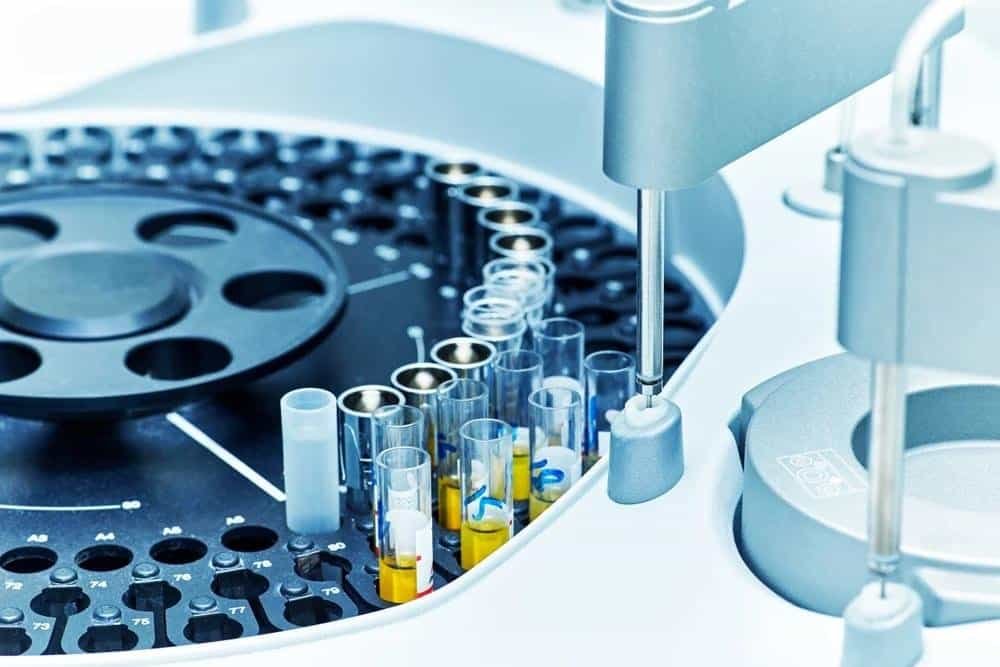
While faster turnaround time is one of the biggest advantages, automation also offers several long-term benefits.
Not every laboratory requires the same level of automation.
Consider these factors before investing:
When selecting automated laboratory equipment, consider:
Reliable after-sales service is equally important for minimizing downtime.
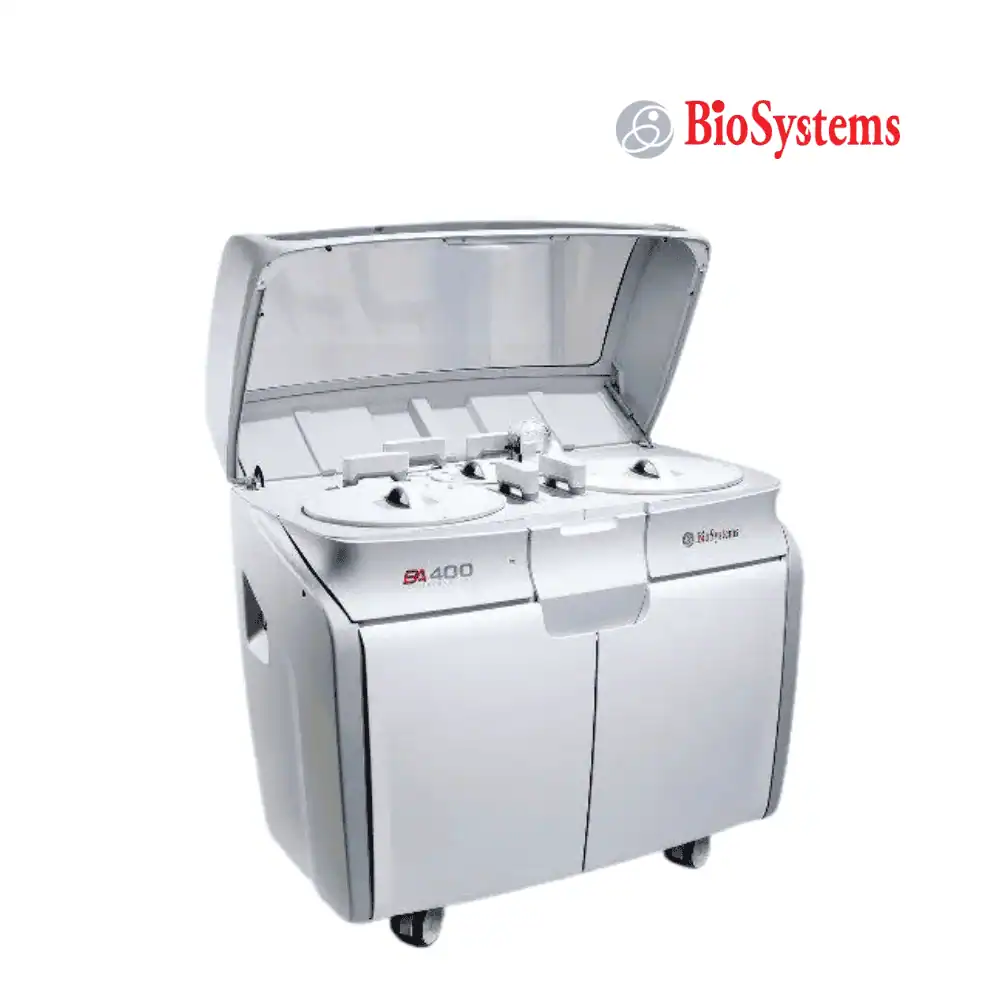
The BA400 is designed for laboratories requiring high-throughput chemistry testing with advanced automation features.
Continue learning with these guides:
➡️ Fully Automated vs Semi-Automated Chemistry Analyzers
➡️ What to Look for in a Reliable Chemistry Analyzer Supplier
Laboratory automation is the use of automated instruments and software to perform laboratory testing with minimal manual intervention, improving speed, consistency, and accuracy.
Automation speeds up specimen processing, reduces manual errors, automates data reporting, and allows continuous testing, significantly shortening laboratory turnaround time.
No. Small and medium-sized laboratories can also benefit from automation by selecting systems that match their testing volume and workflow.
No. Laboratory professionals remain essential for quality assurance, troubleshooting, interpreting results, and managing laboratory operations.
Clinical chemistry, hematology, immunoassay, coagulation, and molecular diagnostics all benefit from automation.
The demand for faster diagnostics continues to grow, making laboratory automation an essential strategy for modern laboratories.
By improving lab turnaround time, reducing errors, and increasing operational efficiency, automation enables healthcare providers to deliver faster diagnoses and better patient care.
Whether you're upgrading an existing laboratory or planning a new facility, investing in the right automation solutions can support long-term growth while improving diagnostic performance.
Ready to optimize your laboratory workflow?
Learn how the right automated laboratory solutions can improve efficiency, accuracy, and turnaround time.