Head Office: Door 3 Zhang Apartment, 12th Street,
Nazareth, Cagayan de Oro, Philippines, 9000
+63 (88) 327 0975
info@biomedixph.com
BIOMEDIX
Systems Trading Corporation
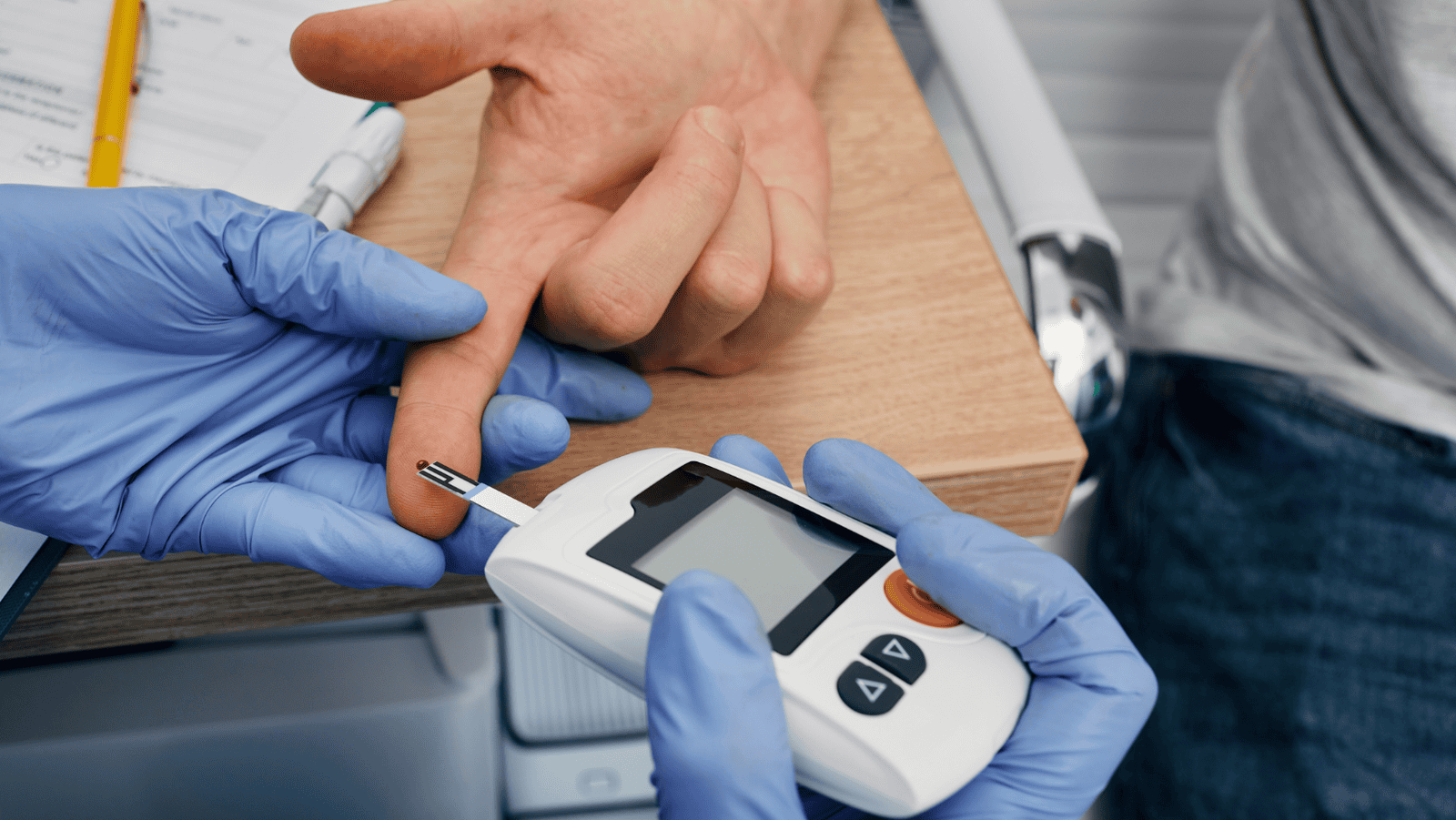
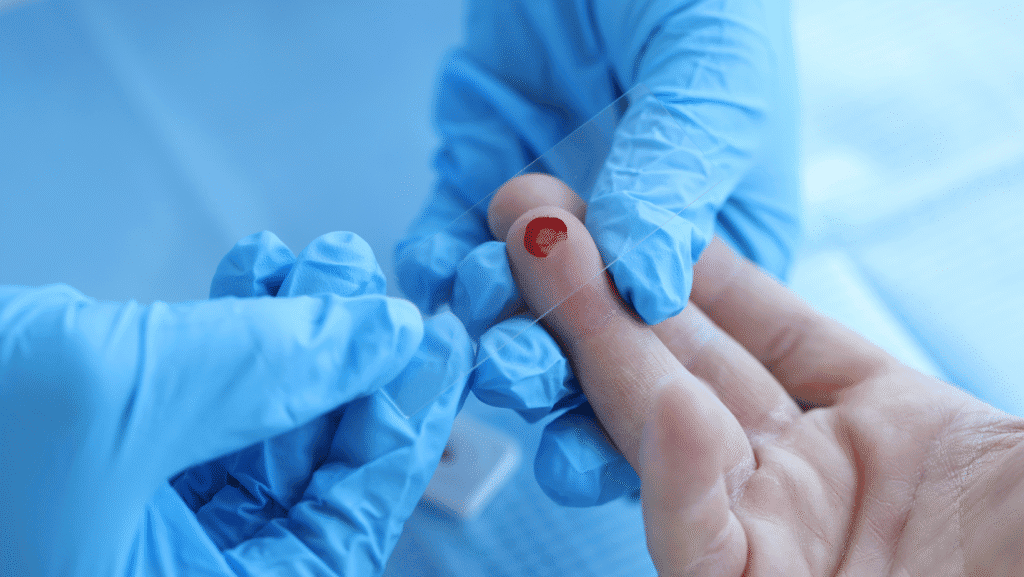
Medical technician performing point-of-care hemoglobin A1c test for diabetes management

How to Select the Best Hemoglobin A1c Analyzer for Diabetes Screening

Diabetes remains one of the most pressing health challenges in the Philippines, affecting over 4 million adults and growing steadily each year (IDF, 2023). For clinics and diagnostic laboratories, reliable diabetes screening is essential to early detection and treatment.

At the heart of accurate diabetes management lies the Hemoglobin A1c analyzer (HbA1c), a diagnostic tool that measures long-term blood glucose control. But with many models on the market, how do you know which A1c test device is right for your facility?

In this guide, we’ll break down everything you need to consider before investing in a hemoglobin A1c machine, from accuracy and throughput to cost-effectiveness and maintenance.

Understanding What an HbA1c Analyzer Does

The Hemoglobin A1c test (HbA1c) determines the percentage of glycated hemoglobin in the blood. This reflects a patient’s average blood glucose levels over the past 2–3 months, a longer-term indicator than daily glucose monitoring.
Why It’s Important for Diabetes Screening

  • Detects prediabetes and diabetes earlier than fasting glucose tests
  • Evaluates the effectiveness of diabetes treatment plans
  • Helps clinicians adjust therapy based on real-time, objective data
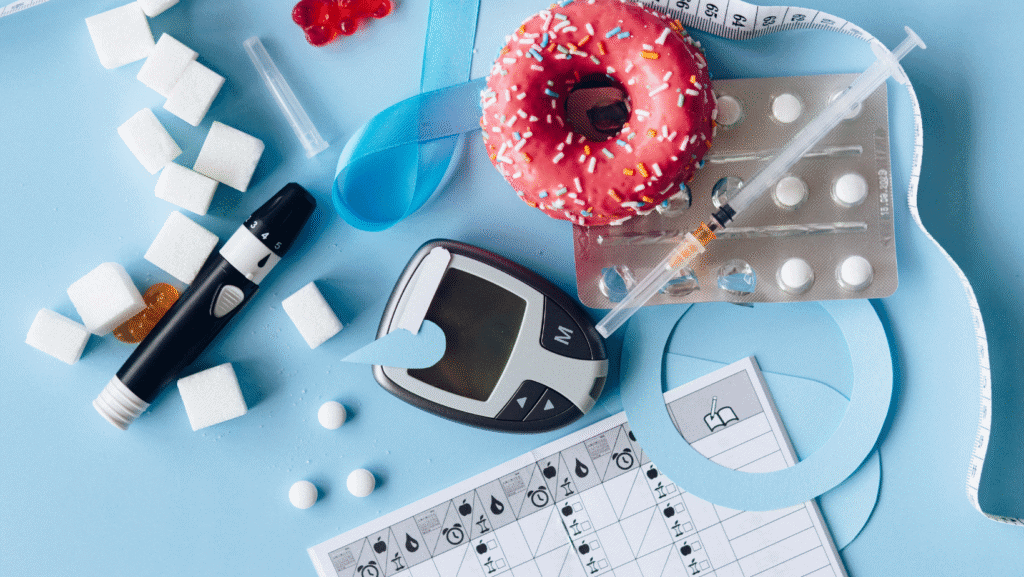
Clinic using point-of-care hemoglobin A1c analyzer to improve diabetes screening efficiency

Types of HbA1c Analyzers: Which One Fits Your Lab?

There are three main categories of hemoglobin A1c machines, each with unique benefits depending on your workload and setting.

1. Point-of-Care (POCT) or Compact HbA1c Analyzers

Best for: Immediate patient management and community-based screening programs.

2. Bench-Top HbA1c Analyzers

  • Designed for medium-sized diagnostic laboratories
  • Can process 20–100 samples per hour
  • Offers greater automation, accuracy, and data connectivity (LIS integration)
  • Typically uses immunoassay or enzymatic methods

Best for: Labs handling consistent testing volumes with moderate throughput needs.

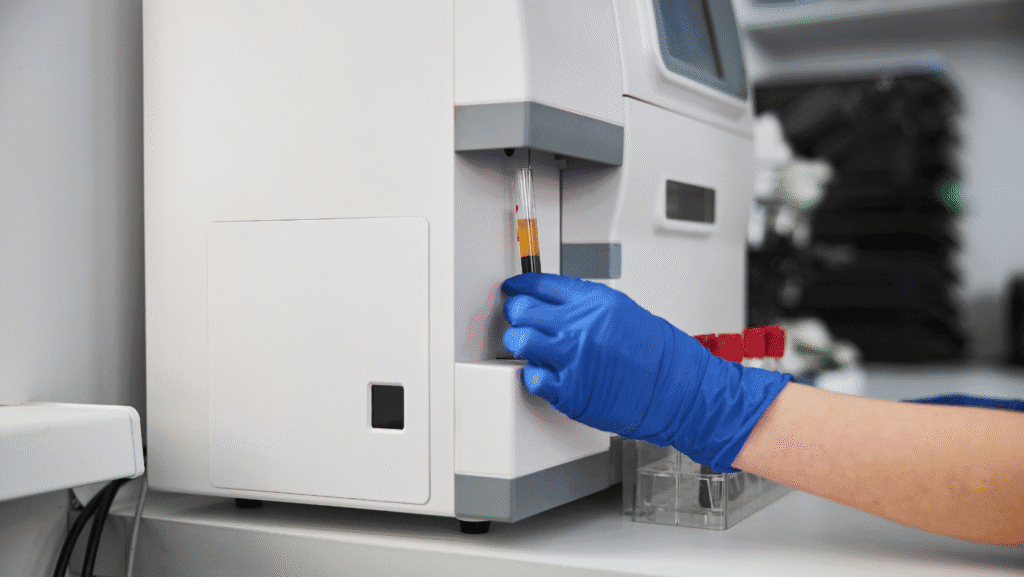
3. High-Throughput Laboratory Systems

  • Intended for hospital laboratories or reference centers
  • Processes hundreds of samples per hour with full automation
  • Offers HPLC (High-Performance Liquid Chromatography), the gold standard for HbA1c testing
  • Enables comprehensive quality control and multi-assay capabilities

Best for: Facilities requiring precise, large-scale diabetes screening.
96 1

Key Features to Consider When Choosing an HbA1c Analyzer

Choosing the right A1c test device goes beyond brand or cost. Consider these essential factors to ensure long-term performance and reliability.
1. Analytical Accuracy and Precision

  • Choose analyzers certified by NGSP (National Glycohemoglobin Standardization Program) and IFCC (International Federation of Clinical Chemistry).
  • Consistent accuracy ensures reliable results across multiple patient tests and timeframes.

2. Throughput and Turnaround Time

  • Assess how many samples your lab processes daily.
  • For community clinics, a device with a 5–10 minute result time may suffice.
  • For hospitals, opt for analyzers with high sample throughput and automation to reduce bottlenecks.

3. Ease of Operation and Maintenance

  • Look for user-friendly interfaces, minimal calibration requirements, and built-in quality control features.
  • Systems with ready-to-use cartridges reduce handling errors and reagent waste.

4. Connectivity and Data Management

  • Modern HbA1c analyzers allow integration with Laboratory Information Systems (LIS) or Electronic Health Records (EHR) for efficient data sharing and traceability.

5. Cost of Ownership

  • Factor in consumables, reagents, and maintenance when comparing models.
  • Lower upfront cost doesn’t always mean better value if the reagents are expensive or the machine requires frequent calibration.
94 1

Most modern hemoglobin A1c machines use one of the following technologies:

MethodPrincipleTypical Use
HPLC (High-Performance Liquid Chromatography)Separates glycated from non-glycated hemoglobinReference labs and hospitals
ImmunoassayUses antibodies to detect HbA1cMedium-volume labs
Enzymatic AssayMeasures HbA1c via enzyme reactionPOCT and compact analyzers

According to the ADA, all HbA1c testing should be performed using methods certified by NGSP and traceable to the DCCT (Diabetes Control and Complications Trial) reference.
Practical Tips Before Buying a Hemoglobin A1c Machine

  1. Request a product demo to evaluate ease of use.
  2. Ask about reagent availability; consistent supply is key to smooth operations.
  3. Review warranty terms and service support within your region.
  4. Confirm certification and compliance with DOH and ISO standards.
  5. Check feedback from other labs using the same analyzer model.
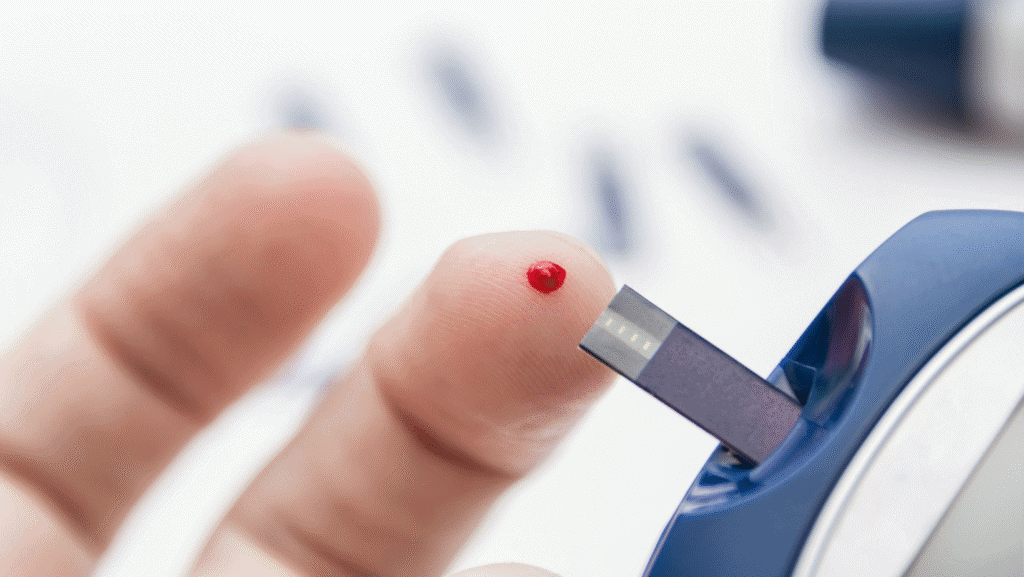
Hand-held HbA1c analyzer using capillary blood sample from finger prick

The Impact of Accurate HbA1c Testing on Diabetes Care

  • Clinical Insight: HbA1c results influence up to 70% of treatment decisions in diabetes management (WHO, 2023).
  • Public Health Benefit: Reliable screening enables earlier interventions and reduces long-term complications like kidney disease and neuropathy.
  • Laboratory Advantage: Consistent accuracy builds clinician confidence and strengthens your facility’s diagnostic reputation.

FAQs

What is the difference between HbA1c and fasting blood sugar testing?

Fasting blood sugar measures glucose at a single point in time, while HbA1c reflects average glucose over 2–3 months, making it a more reliable long-term indicator.

How often should HbA1c testing be performed?

Typically every 3–6 months, depending on the patient’s diabetes control and treatment plan.

Is calibration required for HbA1c analyzers?

Yes, regular calibration ensures accuracy, especially for high-throughput models. Most modern analyzers have built-in or automatic calibration systems.

Can POCT HbA1c analyzers match the accuracy of lab-based systems?

Yes. When certified by NGSP/IFCC and properly maintained, POCT analyzers can produce comparable results.

What certifications should I look for before purchasing a hemoglobin A1c machine?

Look for NGSP, IFCC, CE, and ISO 15197 certifications to ensure reliability and global standard compliance.


Conclusion

Selecting the right HbA1c analyzer isn’t just a procurement decision—it’s an investment in diagnostic accuracy and patient outcomes. Whether you’re equipping a rural health center or expanding a hospital laboratory, choose a hemoglobin A1c machine that balances speed, precision, and ease of use.

With diabetes rates rising across the Philippines, reliable testing is not just essential; it’s transformative for public health and patient trust.

Set up your lab for accurate, efficient diabetes screening. Learn more about certified HbA1c analyzers available through Biomedix.

If you found this article helpful, please share it to your network.
Head Office: Door 3 Zhang Apartment, 12th Street,
Nazareth, Cagayan de Oro, Philippines, 9000
+63 (88) 327 0975
Davao Satellite Office: 72 South San Juan, Brgy. Centro, Agdao, Davao City, Philippines, 8000
+63 917 777 2492
Kidapawan Distribution Center: Indochine House Bed & Breakfast
Old PC Barracks, Brgy. Sudapin, Kidapawan City, Philippines, 9400
+63 917 772 4066
info@biomedixph.com
bstc.biomedix13@gmail.com
All rights reserved
linkedin facebook pinterest youtube rss twitter instagram facebook-blank rss-blank linkedin-blank pinterest youtube twitter instagram