BIOMEDIX
Systems Trading Corporation
Clinical chemistry testing is one of the most essential services offered by modern laboratories. From monitoring blood glucose and cholesterol to evaluating kidney and liver function, chemistry analyzers support a large portion of routine diagnostic testing.
However, when selecting equipment for your laboratory, one of the most common questions is: Should you invest in a fully automated analyzer or a semi-automated system?
Understanding the automated vs semi-automated chemistry analyzer debate can help laboratories choose equipment that aligns with their testing volume, budget, and workflow requirements. In this guide, we break down the key differences, advantages, and considerations to help you make the right decision.
A chemistry analyzer is a laboratory instrument used to measure chemical components in biological samples, typically blood or serum. These tests help physicians diagnose and monitor diseases such as diabetes, kidney disorders, liver disease, and cardiovascular conditions.
Common parameters measured include:
Because chemistry tests make up a large percentage of laboratory workloads, choosing the right analyzer significantly impacts efficiency and accuracy.
For more background on laboratory diagnostics, you may also find this blog helpful:
➡️ Understanding the Role of Reagent Quality in Test Accuracy
The difference between these systems lies primarily in workflow automation, sample handling, and throughput capacity.
| Feature | Fully Automated Analyzer | Semi-Automated Analyzer |
| Sample Handling | Automatic | Manual preparation required |
| Throughput | High | Moderate |
| Human Intervention | Minimal | Required |
| Cost | Higher upfront investment | Lower initial cost |
| Best For | Hospitals & large labs | Small labs or clinics |
This fully automated analyzer comparison highlights that each option serves a different type of laboratory environment.
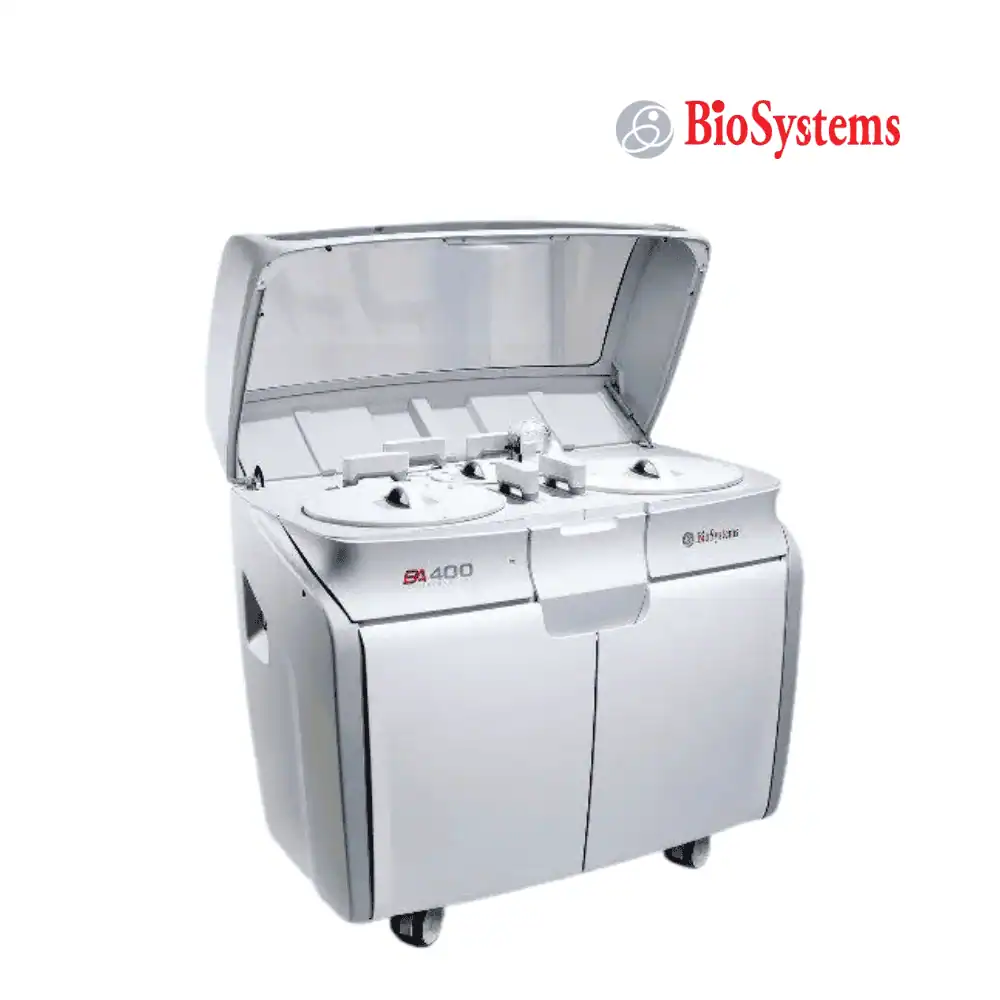
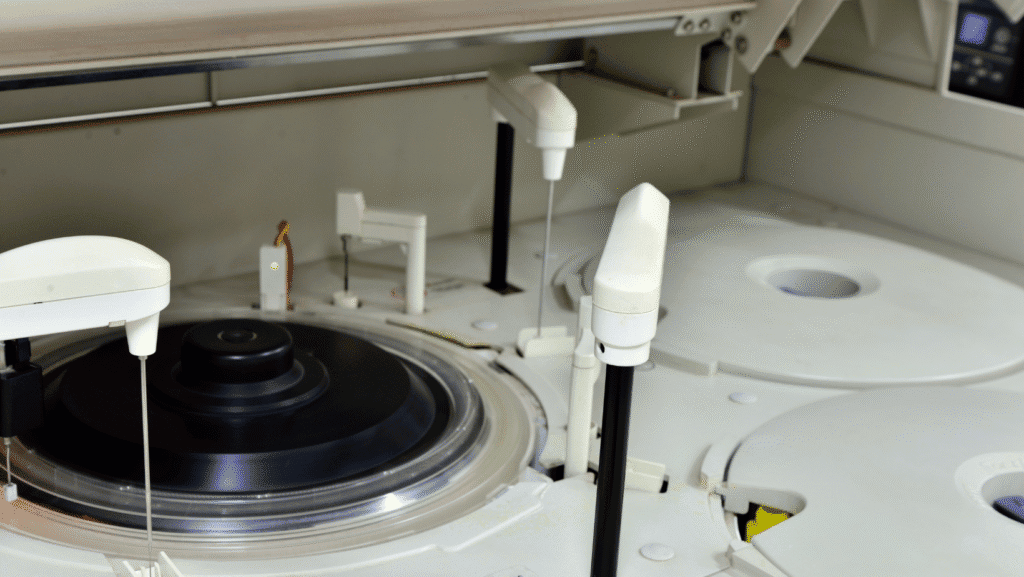
A fully automated chemistry analyzer performs the entire testing process automatically. Once samples and reagents are loaded, the system handles:
These analyzers often integrate with Laboratory Information Systems (LIS) for seamless result management.
Example Product: BioSystems BA400 Biochemistry Analyzer
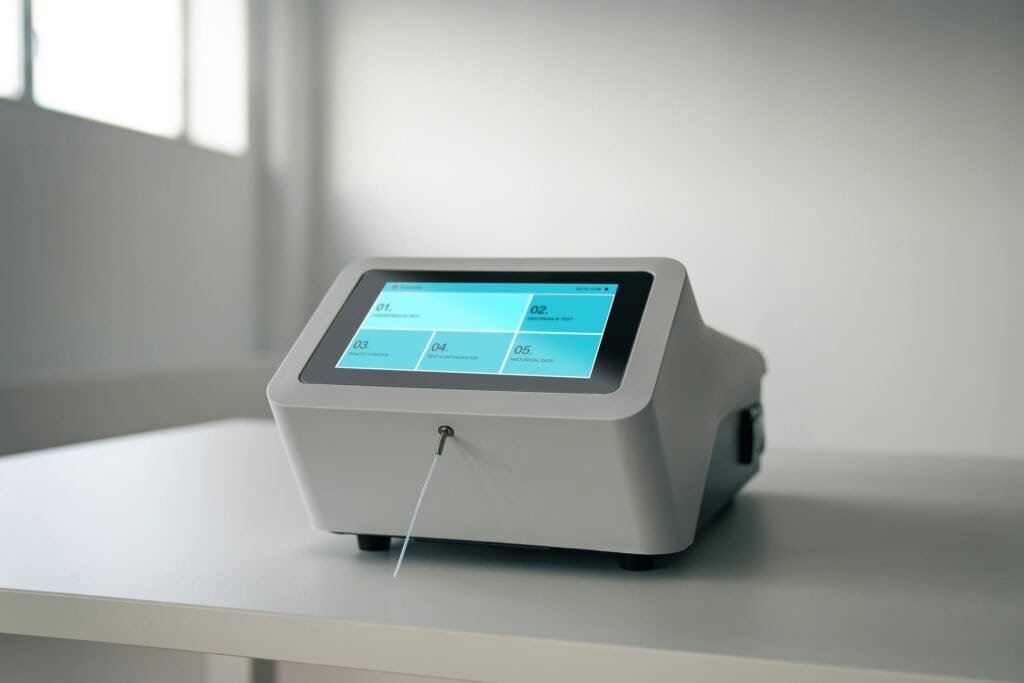
A semi-automated chemistry analyzer requires manual preparation of samples and reagents before the machine performs the measurement.
Typically, the laboratory technician:
The instrument then measures the reaction and displays results.
➡️ Looking for reliable chemistry analyzers for your laboratory? Explore our available solutions here.
A fully automated chemistry analyzer is ideal if your laboratory:
Hospitals, tertiary diagnostic centers, and high-throughput labs typically benefit most from these systems.
A semi-automated analyzer may be the better option if your laboratory:
Small private clinics, community health centers, and rural laboratories often start with semi-automated analyzers before upgrading.
For laboratories planning new diagnostic services, you may also want to read:
➡️ Setting Up a Point-of-Care Testing Station: Essential Equipment Checklist

The demand for diagnostic testing continues to grow worldwide.
According to the World Health Organization, laboratory tests influence up to 70% of clinical decisions in healthcare.
Additionally, rising rates of chronic diseases such as diabetes and cardiovascular conditions have increased the need for reliable chemistry testing.
This makes selecting the right analyzer an important long-term investment for any laboratory.
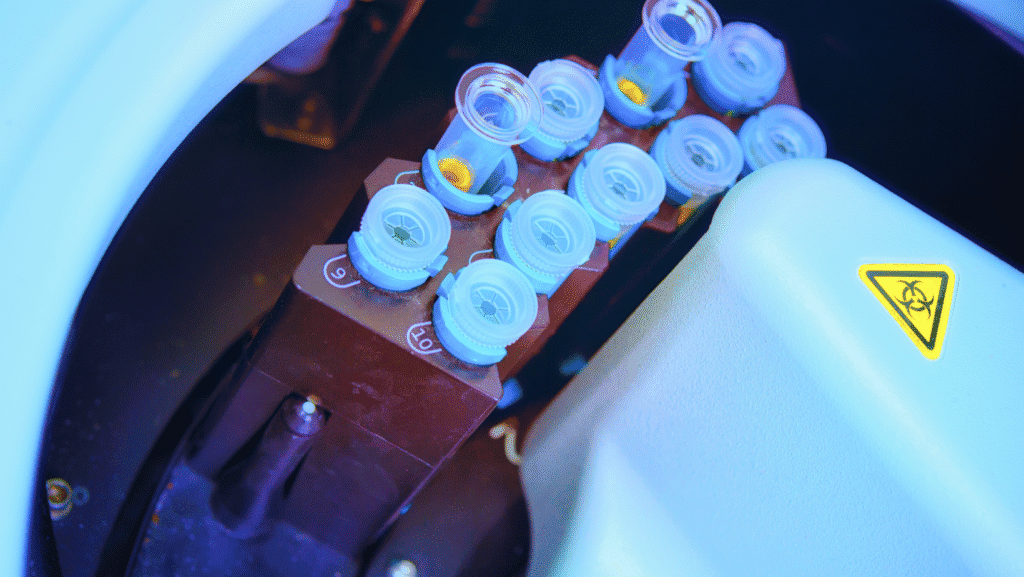
When evaluating an automated vs semi-automated chemistry analyzer, consider the following factors:
Fully automated analyzers perform the entire testing process automatically, while semi-automated analyzers require manual preparation of samples and reagents before measurement.
Semi-automated analyzers are usually more suitable for small laboratories because they are more affordable and require lower testing volumes.
Both systems can provide accurate results when properly maintained. However, fully automated analyzers reduce human error and improve consistency.
Yes. Semi-automated analyzers can perform multiple tests, but each test requires manual preparation, which limits throughput.
Yes. Many laboratories begin with semi-automated analyzers and upgrade to fully automated systems as testing demand grows.
Choosing between a fully automated and semi-automated chemistry analyzer ultimately depends on your laboratory’s workload, budget, and operational goals.
For high-throughput environments, automation improves efficiency, reduces errors, and speeds up diagnostics. Meanwhile, semi-automated analyzers remain a practical and cost-effective solution for smaller laboratories.
Understanding this comparison allows laboratories to make informed decisions that support accurate testing and long-term growth.
Need help choosing the right chemistry analyzer for your laboratory? Our team can guide you based on your lab’s needs.