BIOMEDIX
Systems Trading Corporation
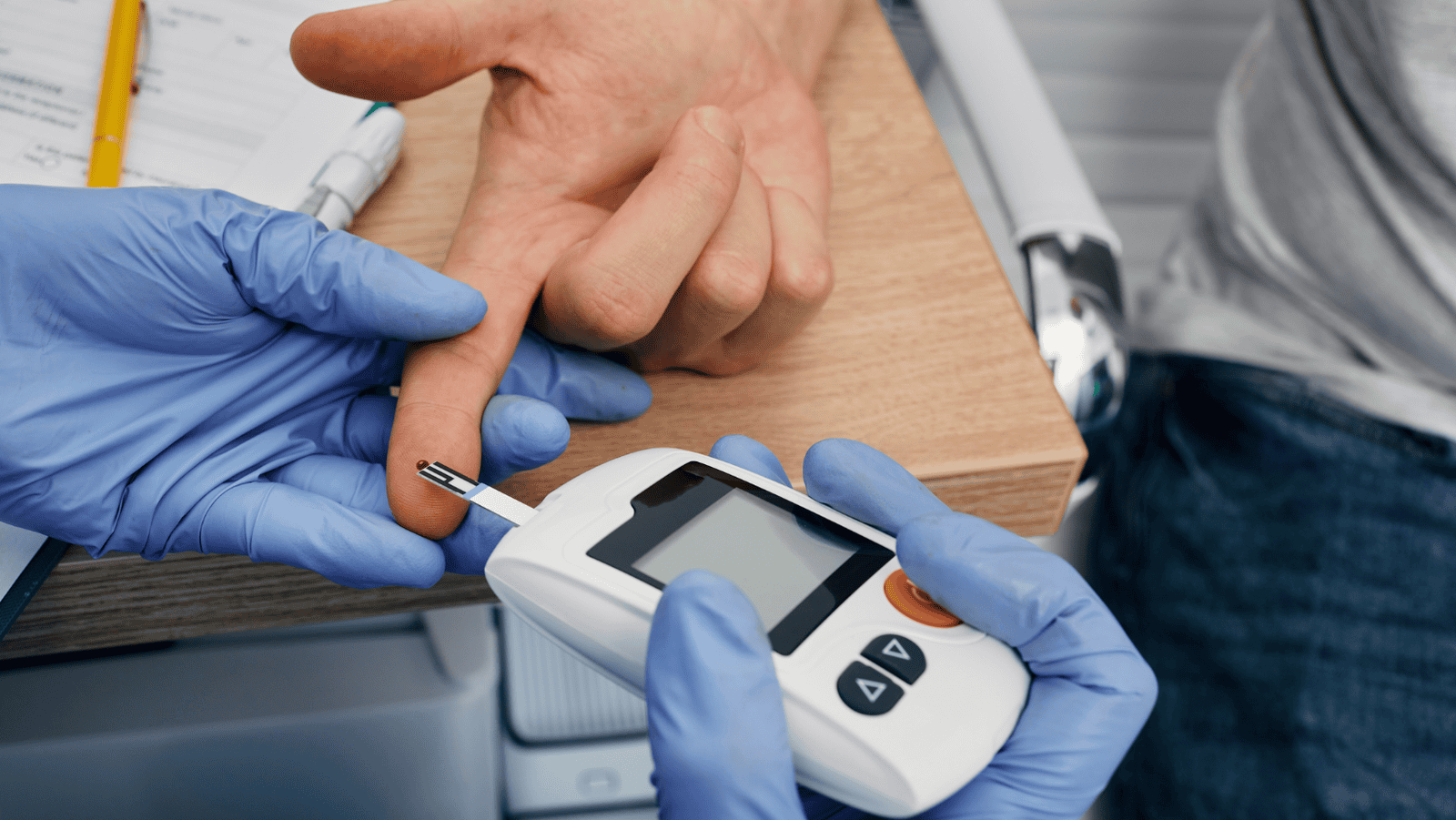
Diabetes remains one of the most pressing health challenges in the Philippines, affecting over 4 million adults and growing steadily each year (IDF, 2023). For clinics and diagnostic laboratories, reliable diabetes screening is essential to early detection and treatment.
At the heart of accurate diabetes management lies the Hemoglobin A1c analyzer (HbA1c), a diagnostic tool that measures long-term blood glucose control. But with many models on the market, how do you know which A1c test device is right for your facility?
In this guide, we’ll break down everything you need to consider before investing in a hemoglobin A1c machine, from accuracy and throughput to cost-effectiveness and maintenance.
The Hemoglobin A1c test (HbA1c) determines the percentage of glycated hemoglobin in the blood. This reflects a patient’s average blood glucose levels over the past 2–3 months, a longer-term indicator than daily glucose monitoring.
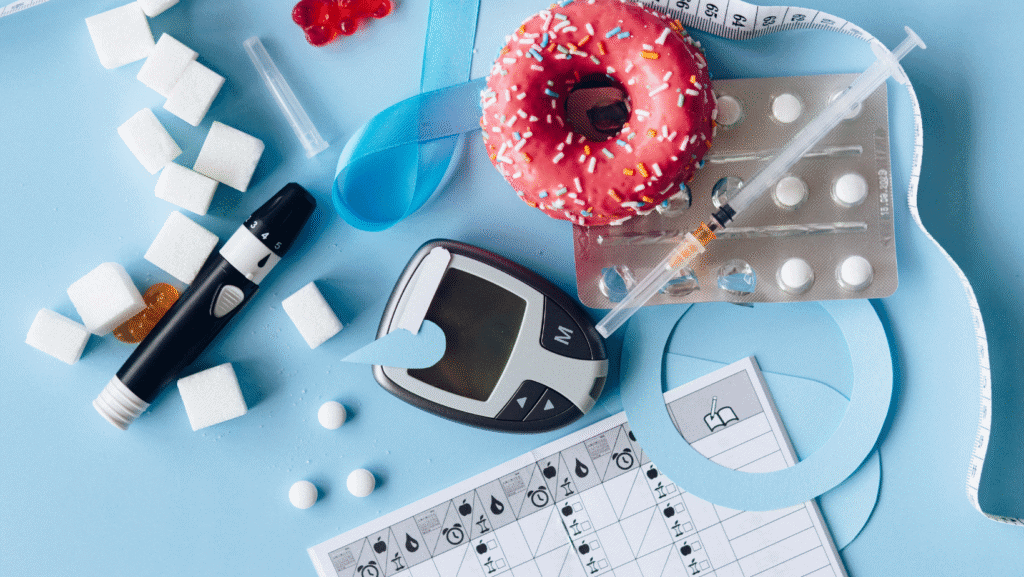
There are three main categories of hemoglobin A1c machines, each with unique benefits depending on your workload and setting.
✅ Best for: Immediate patient management and community-based screening programs.
✅ Best for: Labs handling consistent testing volumes with moderate throughput needs.
✅ Best for: Facilities requiring precise, large-scale diabetes screening.
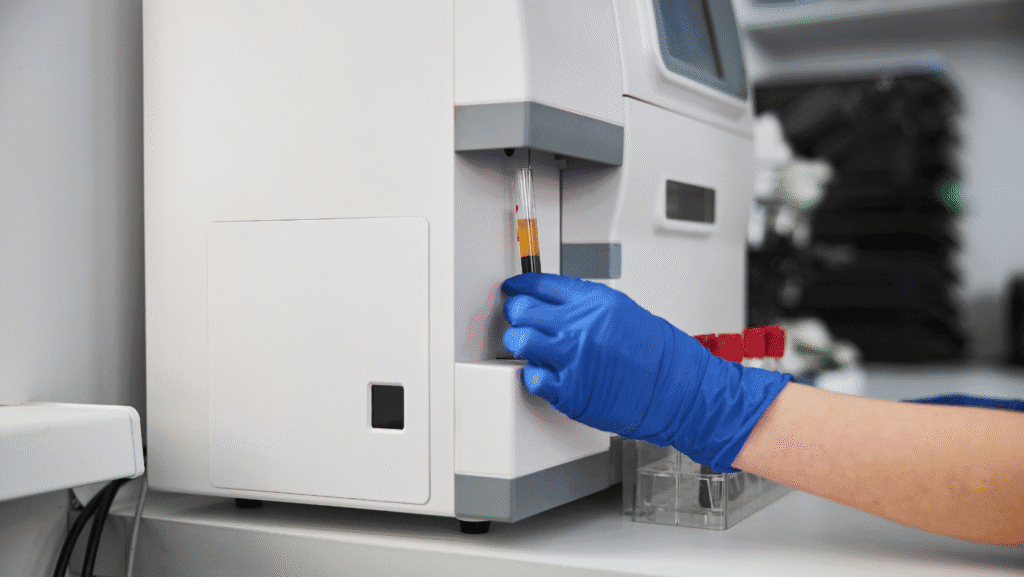
Choosing the right A1c test device goes beyond brand or cost. Consider these essential factors to ensure long-term performance and reliability.
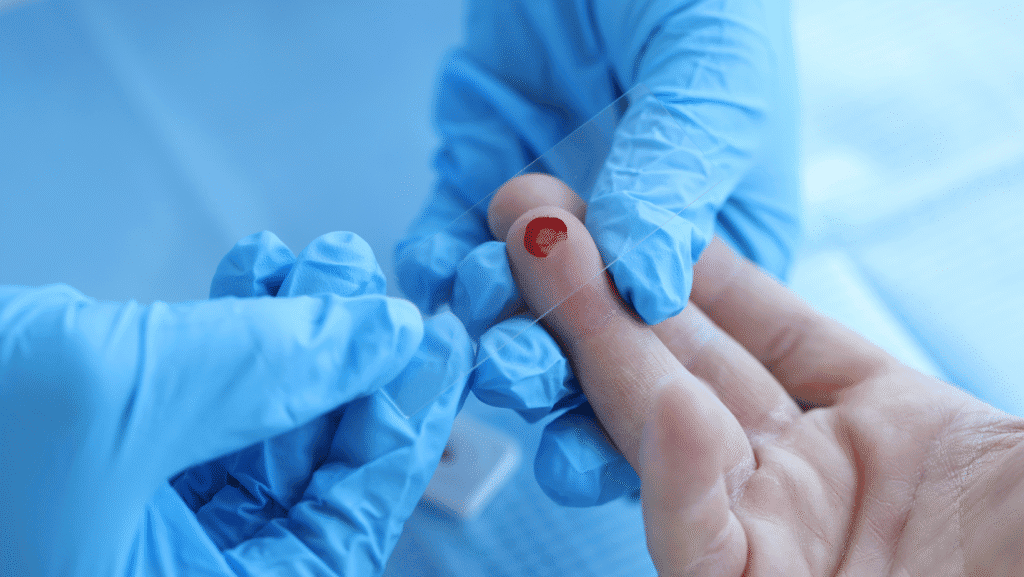
Most modern hemoglobin A1c machines use one of the following technologies:
| Method | Principle | Typical Use |
| HPLC (High-Performance Liquid Chromatography) | Separates glycated from non-glycated hemoglobin | Reference labs and hospitals |
| Immunoassay | Uses antibodies to detect HbA1c | Medium-volume labs |
| Enzymatic Assay | Measures HbA1c via enzyme reaction | POCT and compact analyzers |
According to the ADA, all HbA1c testing should be performed using methods certified by NGSP and traceable to the DCCT (Diabetes Control and Complications Trial) reference.
What is the difference between HbA1c and fasting blood sugar testing?
Fasting blood sugar measures glucose at a single point in time, while HbA1c reflects average glucose over 2–3 months, making it a more reliable long-term indicator.
How often should HbA1c testing be performed?
Typically every 3–6 months, depending on the patient’s diabetes control and treatment plan.
Is calibration required for HbA1c analyzers?
Yes, regular calibration ensures accuracy, especially for high-throughput models. Most modern analyzers have built-in or automatic calibration systems.
Can POCT HbA1c analyzers match the accuracy of lab-based systems?
Yes. When certified by NGSP/IFCC and properly maintained, POCT analyzers can produce comparable results.
What certifications should I look for before purchasing a hemoglobin A1c machine?
Look for NGSP, IFCC, CE, and ISO 15197 certifications to ensure reliability and global standard compliance.
Selecting the right HbA1c analyzer isn’t just a procurement decision—it’s an investment in diagnostic accuracy and patient outcomes. Whether you’re equipping a rural health center or expanding a hospital laboratory, choose a hemoglobin A1c machine that balances speed, precision, and ease of use.
With diabetes rates rising across the Philippines, reliable testing is not just essential; it’s transformative for public health and patient trust.
Set up your lab for accurate, efficient diabetes screening. Learn more about certified HbA1c analyzers available through Biomedix.